

Uncovering Barriers to Latino Educational Access
A Regional Data Partnership
A two-year community-based research study examining postsecondary access for Latino communities across the Puget Sound region — conducted alongside trusted community organizations and a higher education partner.
Partner Organizations

Lead Organization
Bilingual nonprofit based in Redmond serving Latino and immigrant communities across King, Pierce, and Snohomish counties through culture, education, and civic engagement programs.
Higher Education Partner
Higher education partner providing access to state enrollment and attainment data and producing the print and video assets that accompany this research project.

Community Based Organization Partner
Tacoma-based organization providing wraparound social services for Latine, Indigenous, immigrant, and LGBTQ+ individuals and families across Washington State.
Community Based Organization Partner
Snohomish and King County based organization. Empowers Latino immigrants and low-income individuals through education, advocacy, and leadership to advance racial and economic equity in Washington State.

1,323
survey respondents
across three counties
43%
first-generation
college students
40%
cited financial barriers
as top obstacle
4
partner organizations,
4 research phases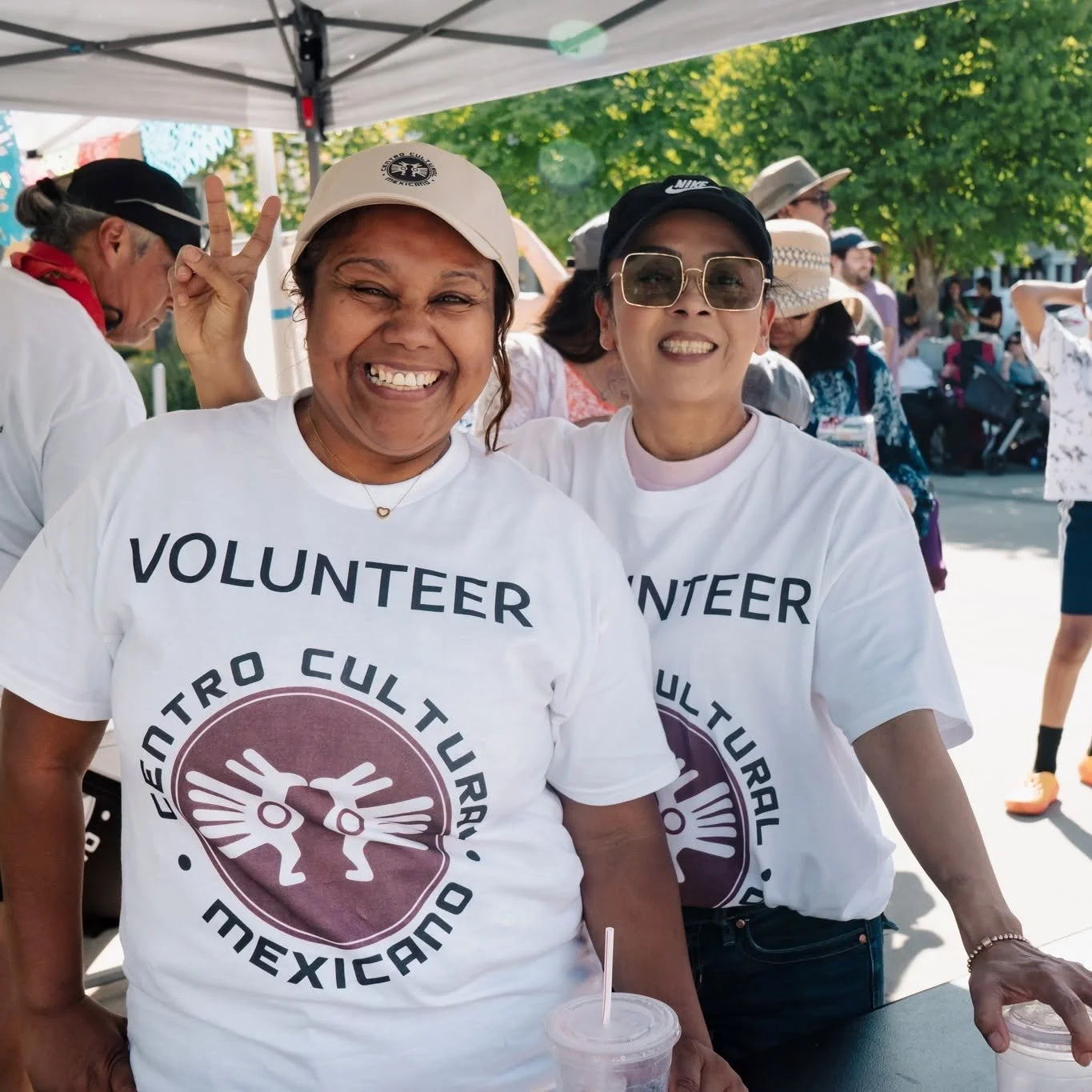
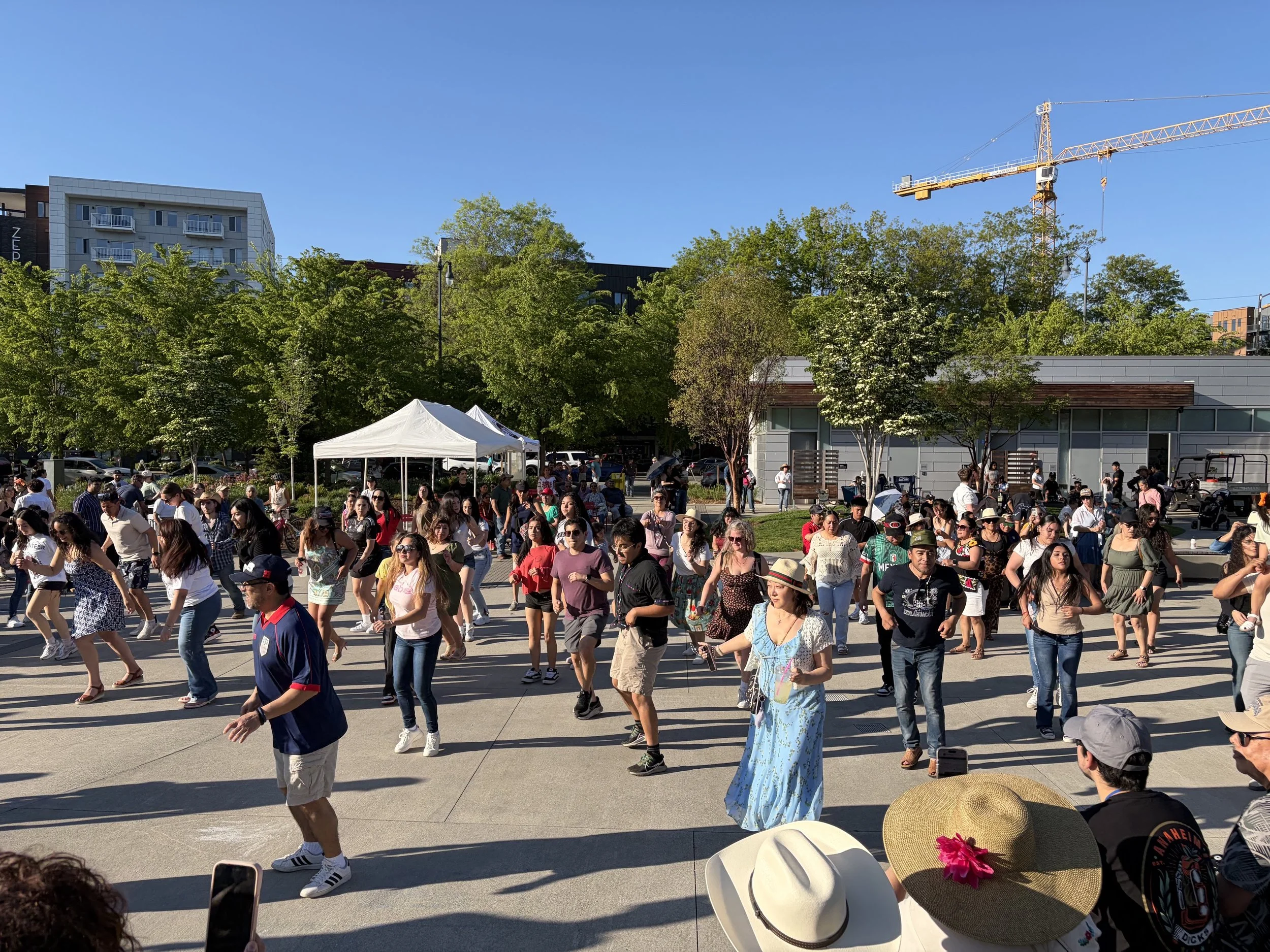
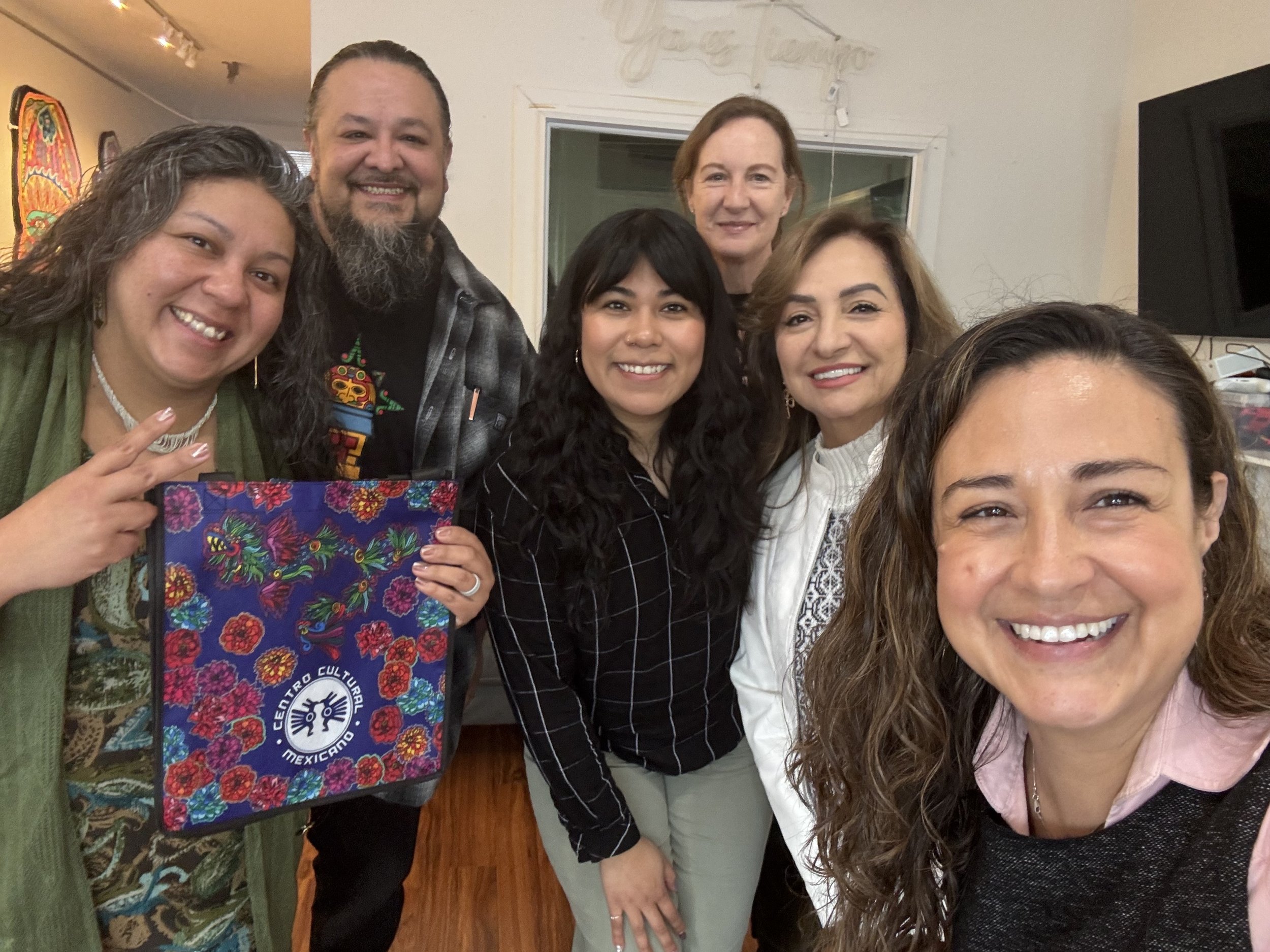
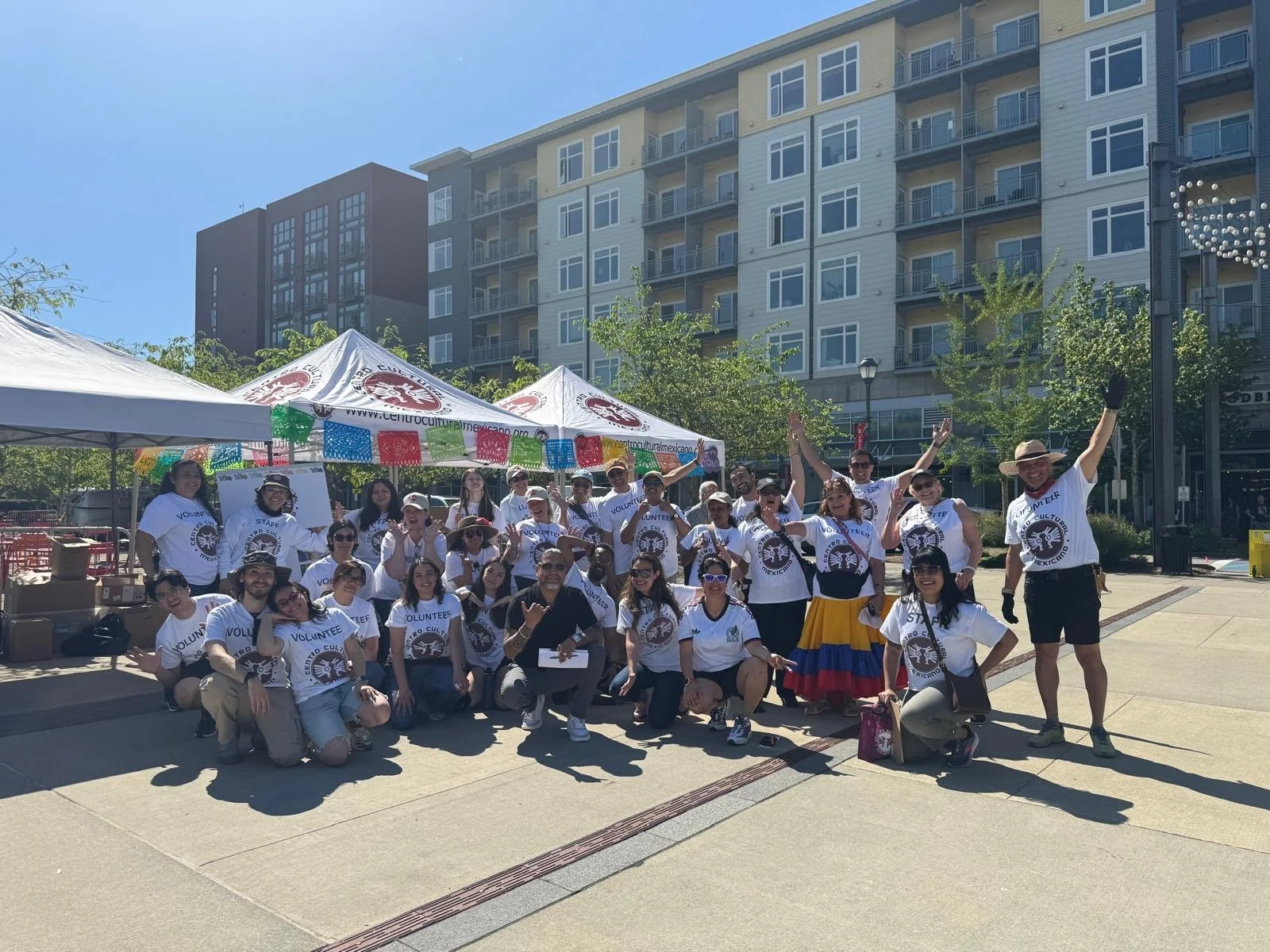
*Images from events and spaces where we surveyed community members 
About our initiative
A regional partnership led by Centro Cultural Mexicano to understand barriers to Latino postsecondary success
Washington State’s Latino population grew to nearly 1.2 million residents in 2024, accounting for approximately 15% of the state’s population. Despite this growth, Latino students continue to experience lower rates of high school completion and postsecondary attainment than the state average. This project was funded through state funds by the Regional Challenge Grant initiative to address these persistent disparities through community-centered research.
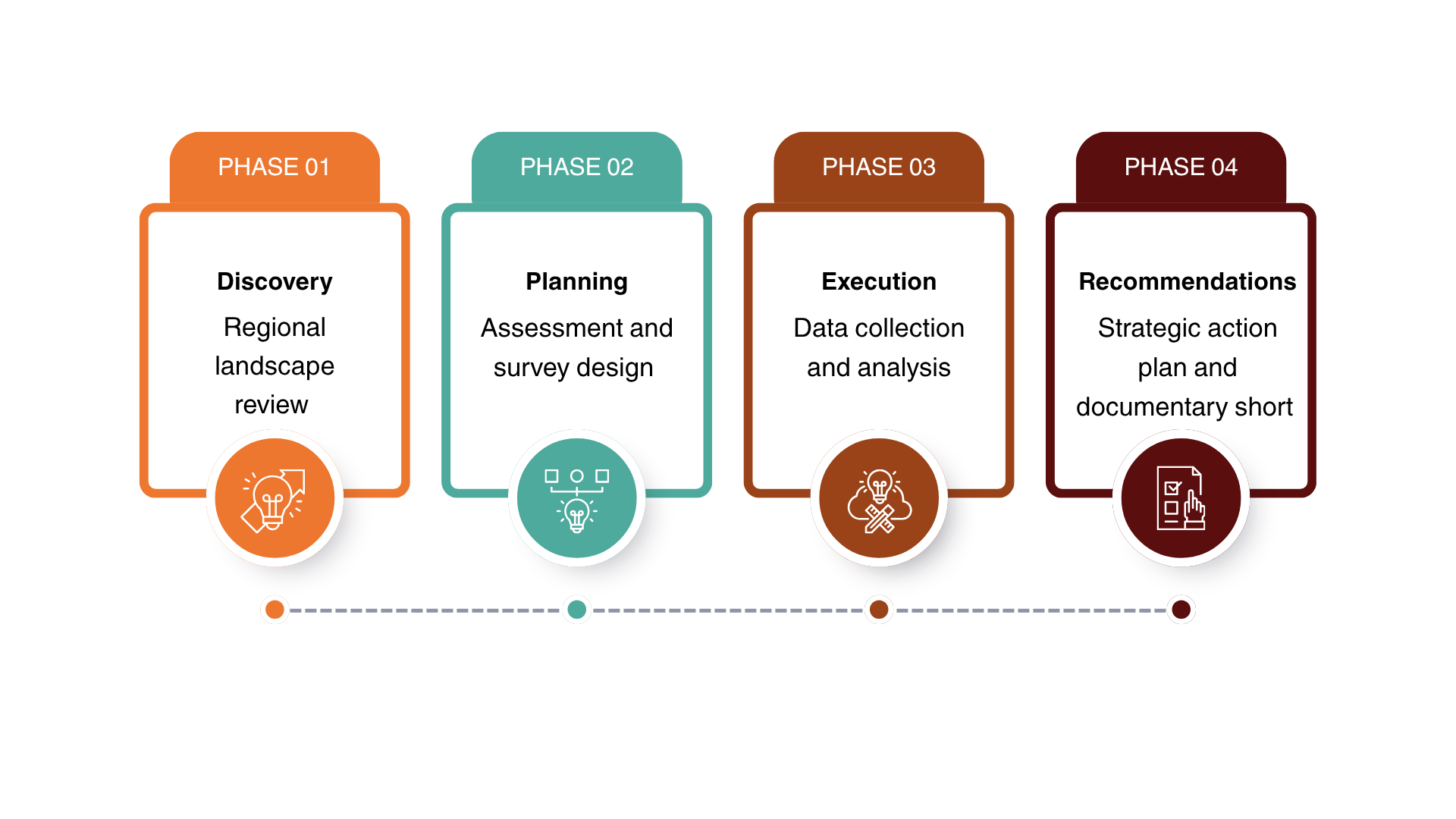
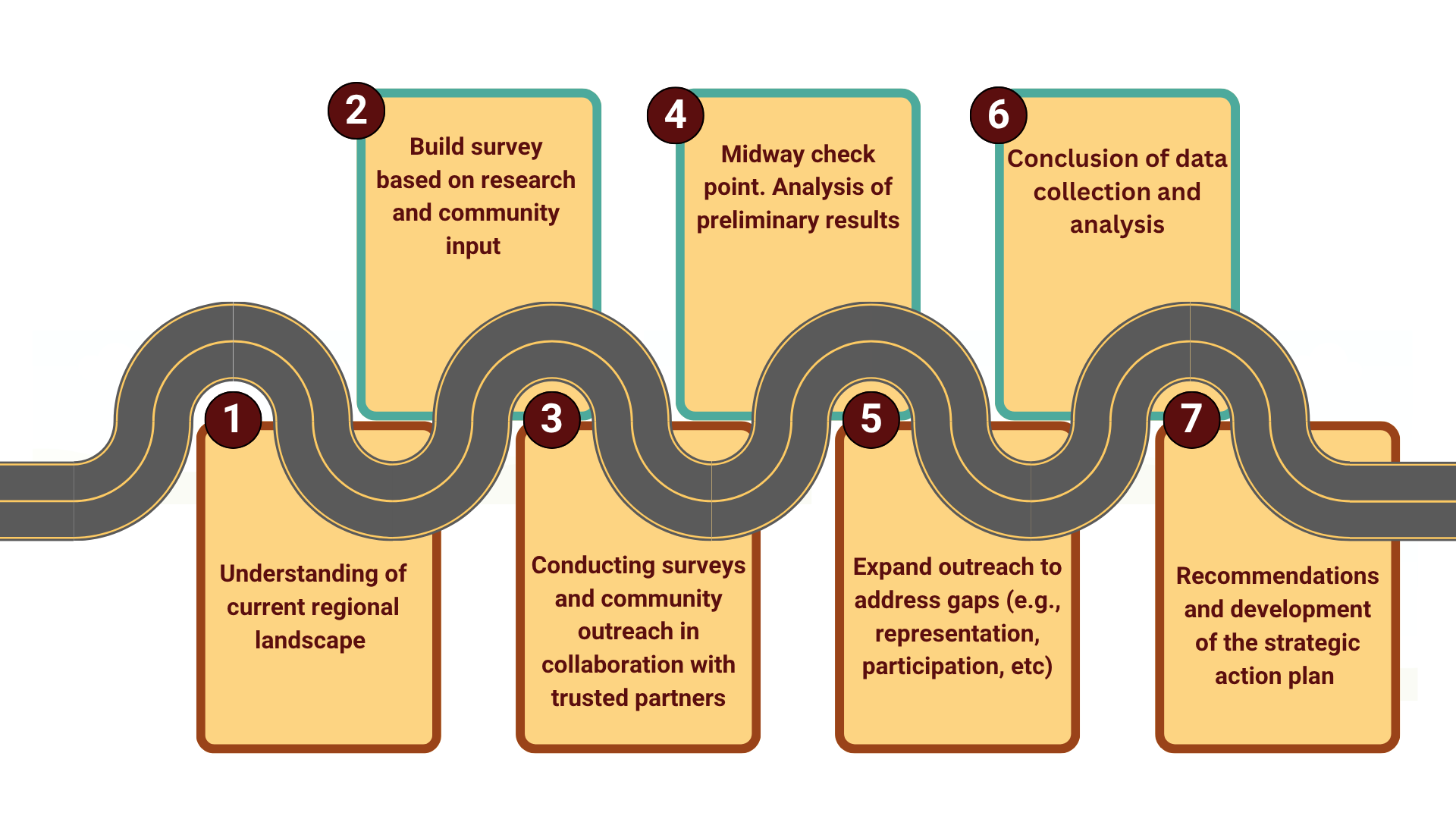
The project was broken up into 4 phases. The infographic below shows the breakdown of the project's journey toward the strategic action plan, informed by phases 1 through 3.

Who we surveyed
For this initiative, we surveyed three groups, with each participant falling into one of the following categories:
Key Findings
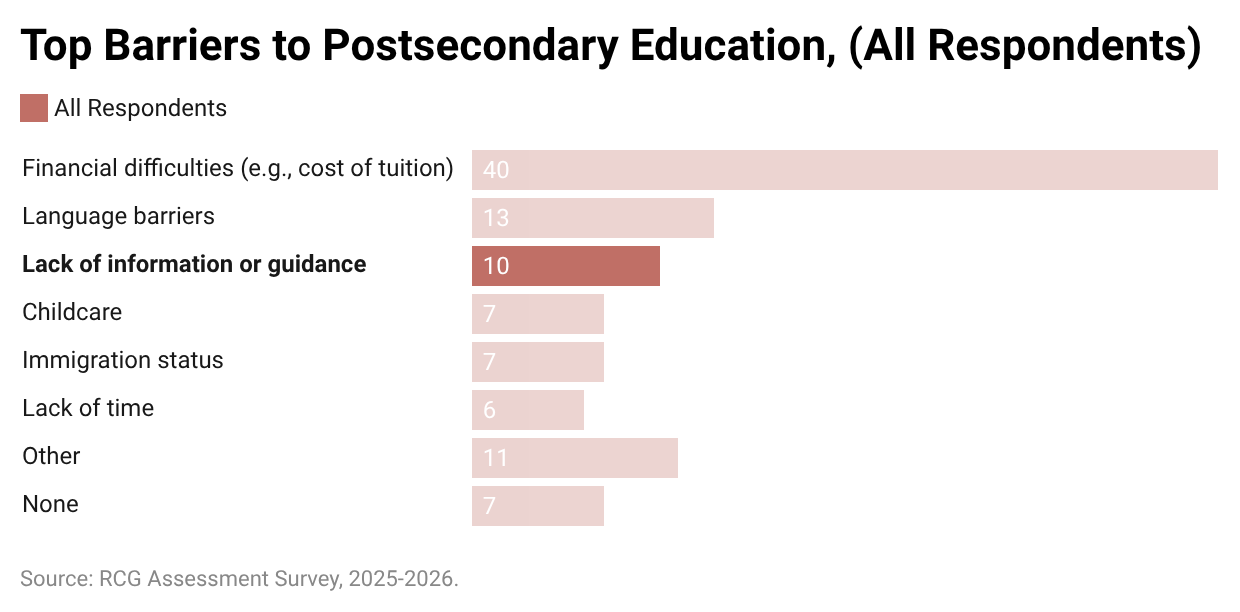
Among all respondents, the most prominent barrier, cited by 40% overall, was financial difficulties, followed by language barriers and lack of information and guidance.Even among the system barriers experienced by all surveyed groups, high cost of education continued to be the biggest barrier, followed by lack of access to aid and mentorship opportunities.Education levels varied by persona, with the majority of respondents not having attended school in the U.S. Among those with some college education, the majority were Young Students, while Vocational Learners had the least postsecondary education.Across all three respondent groups, Young Students, Adult Learners, and Vocational Learners, financial difficulties continued to be the biggest barrier, though the barriers that followed varied by group.Young Students
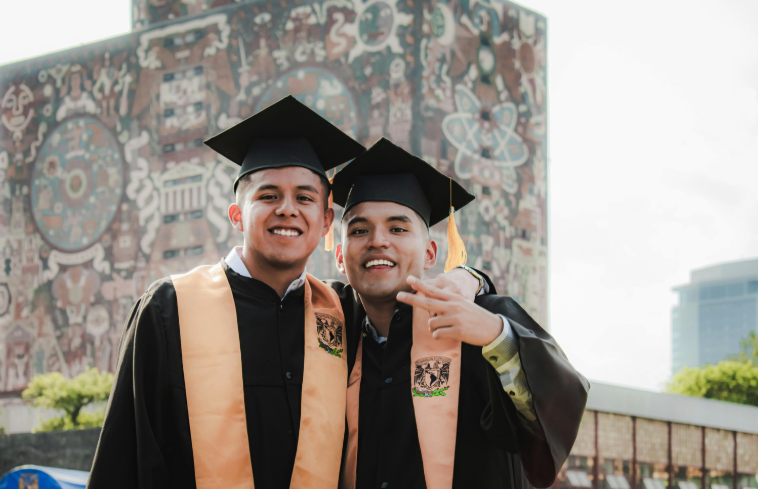
Ages 18–25 pursuing college or university enrollment for the first time
Adult Learners
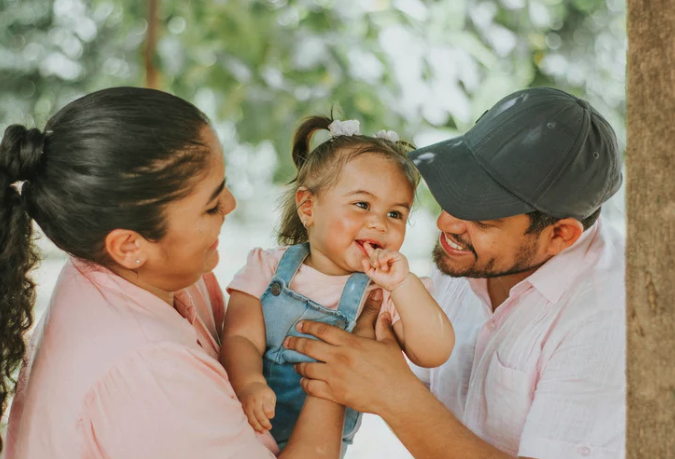
Ages 18–25 pursuing college or university enrollment for the first time
Vocational Learners
Ages 18–25 pursuing college or university enrollment for the first time


Documentary Short
Aprender es Poder
Uncovering Barriers to Higher Education For Latino Communities in Washington State

Recommendations
While respondents across all three personas expressed strong motivation to pursue education, the data reveals that access to information, financial support, and responsive guidance remain the biggest obstacles. These findings point to two clear strategies for the region.
Strategy 1
Expand Access to Information & Outreach
Across all respondent groups, access to clear information remains a major barrier to postsecondary and career pathways.
Our recommended actions:
Bilingual outreach across King, Pierce, and Snohomish counties
Trusted community-based organization partnerships
Multi-channel delivery: in-person, social media, radio
Coordinated support services: childcare, language assistance, and culturally responsive guidance so undocumented community members, first-generation students, and adult learners balancing work and family can access this information regardless of the individual's background or circumstances.
Important considerations for outreach strategies:
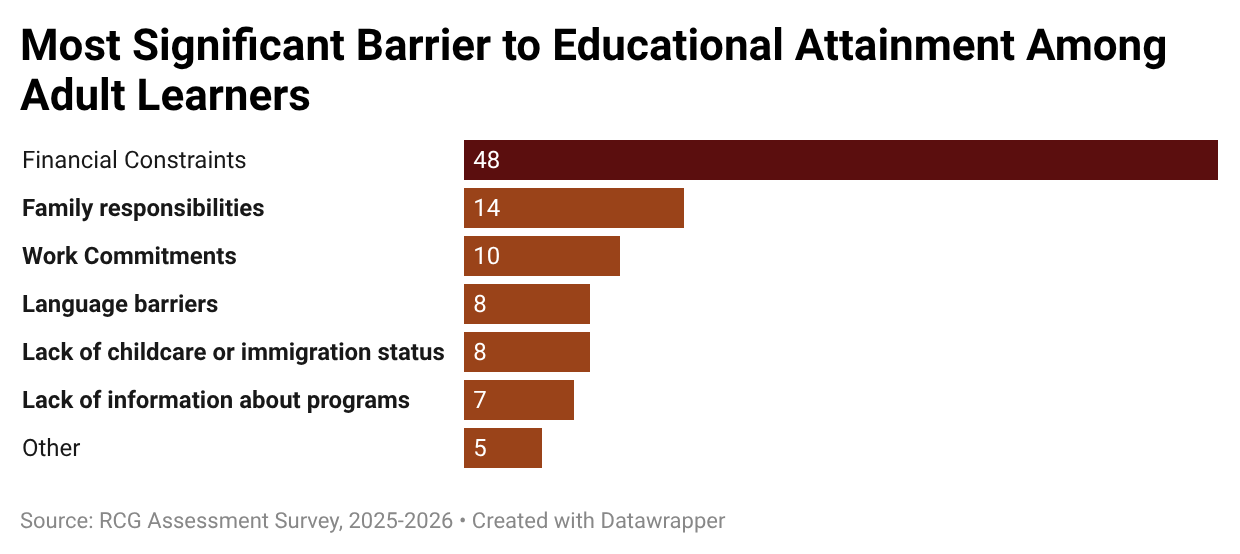
Among adult learners, aside from financial constraints, external factors such as family responsibilities, work commitments, language barriers, and immigration status are major barriers to education. Therefore, these factors must be taken into account when creating outreach and information dissemination programs.
Strategy 2
Invest in Program Assessment & Research
Young students who use pre-college programs report that they are effective, but most young students are unaware that these programs exist. Our recommendations include:
Deeper research into which pre-college programs work and why
Trust-based evaluation and honest feedback channels
Regional and institutional-level improvements to close the awareness gap
Research on program effectiveness
As shown in the graphic below, 81% of participants reported that college readiness programs like Running Start and AVID positively impacted their college journey. While these programs have proven effective for many students, further research is needed to determine which specific elements contribute most to that success.
On support helpfulness:
Additionally, students who received college related information from school counselors, family members, teachers, and other trusted sources reported that it was helpful. This highlights the importance of ensuring that students receive accurate and accessible information as they prepare for college.


PARTNER WITH US
This work only happens together.
We're actively seeking partnerships with schools, nonprofits, funders, and community organizations that share our commitment to expanding postsecondary access for Latino communities across King, Pierce, and Snohomish counties.
Whether you're looking to partner with us or simply want to support Latino educational access in our region —